About COROS
When AI can do the work, the conversation becomes the work.
COROS exists to make people extraordinary at the work no machine can do: the conversations that decide a career, a team, a marriage, a life. Conversations that transform. That is the whole company.
COROS is built on our own and licensed material: a body of work generated over years at Conceivian, the papers, frameworks, assessments, and recorded practice of its tradition, together with the writings of founder Saqib Rasool.
Our founding story
When everything breaks, what is actually worth doing?
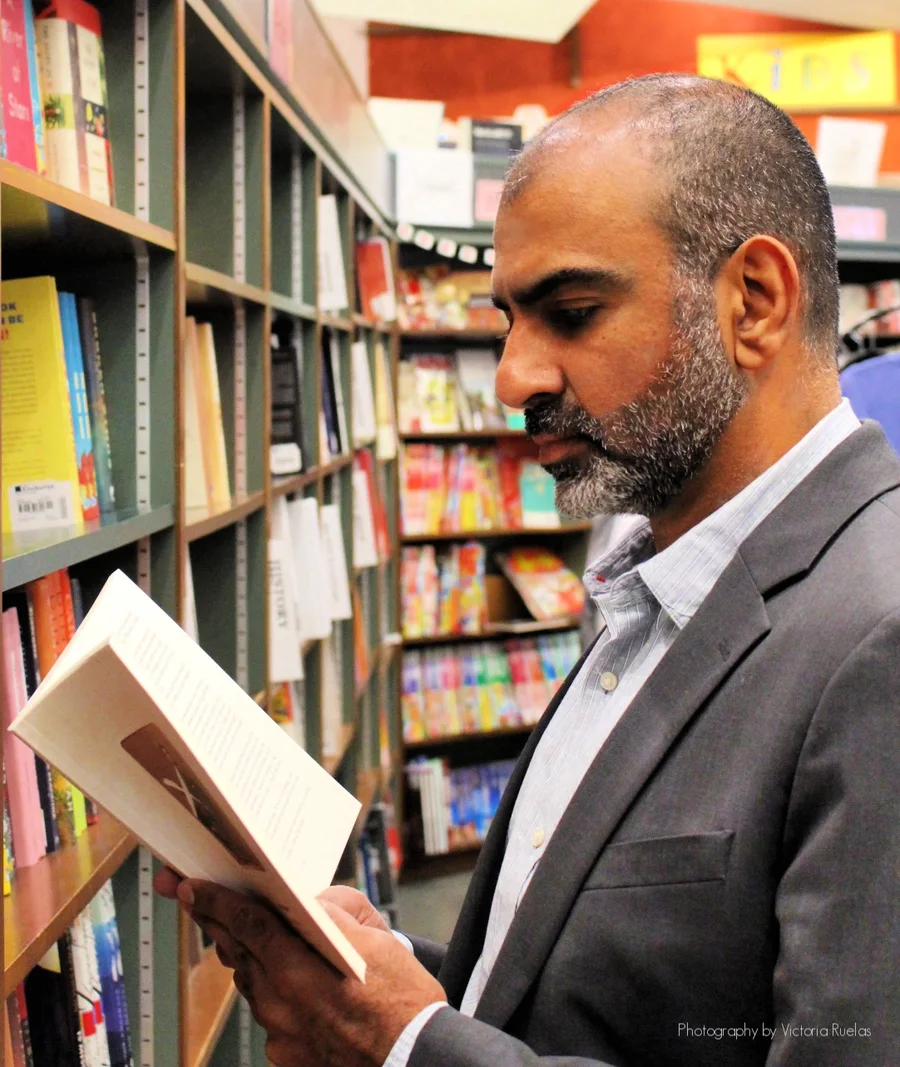
I didn’t arrive at this through theory. I came to the United States, went to work for Microsoft after college, built companies, and had modest exits. Then, in a short span, I lost most of it: my health, my finances, my marriage. In the wreckage I started asking the question no one teaches you, the one that only matters when there is no precedent: when everything breaks, what is actually worth doing?
What I found, first in myself, was that the skills for this had gone missing. We have forgotten how to listen, how to take responsibility in language, how to make and keep the commitments that bind us to one another. I searched everywhere, and found the answer in a quiet body of work out of Berkeley and Stanford, led by Fernando Flores: on language, moods, coordination, and what innovation really is.
What I rebuilt was not only material. It was a larger self, the author of his own life rather than its victim. COROS is how I carry that forward, at a moment when the same change is arriving for everyone, faster, as technology reorders our work with little care for the people inside it. The skills that carried me through are the ones that will matter most, and I believe this work has met its moment.
Saqib Rasool, Founder of COROS
Why now
The most human work is the only work left.
AI is automating the technical work, faster than anyone expected. The instinct is to fear it. We see the opposite. When the technical is handled, what is left is the part that was always the point: trust, judgment, coordination, and the conversations everyone avoids. The human work moves from the edge of the job to the center of it.
And we are not ready. People are lonelier and more disengaged than they have ever been, and the same root sits beneath both: we have lost the capacity for the conversations that connect us and move us together. Nearly nine trillion dollars a year quietly evaporates into that gap.
This is not a threat to flee. It is a clearing. And it is exactly the work COROS was built for.
Our mission
Reintroduce care and communication as the operating system of any thriving community.
We don’t believe AI saves humanity by being smarter than us. It saves us by waking us up to what we’ve forgotten: how to listen, coordinate, repair trust, and move together. That is the only AI we want to build. Not a tool that does your thinking, a different kind of AI that makes you more human, not less.
What moves us
Provoke, don’t pander
Most AI is built to please you. COROS is built to move you. It says the true thing a good friend would, even when it stings.
Honesty over cordial hypocrisy
The quiet pact to keep things pleasant instead of true is where trust dies. We refuse it, in the product and in the company.
The conversation is the unit of change
Not advice. Not information. A real conversation, worked all the way through, is how a person actually transforms.
Wake us up, don’t replace us
Everything here serves your capacity, never substitutes for it. A different kind of AI: one that makes you more human, not less.
Who we are
A small team carrying a large mission.
We’re hiring →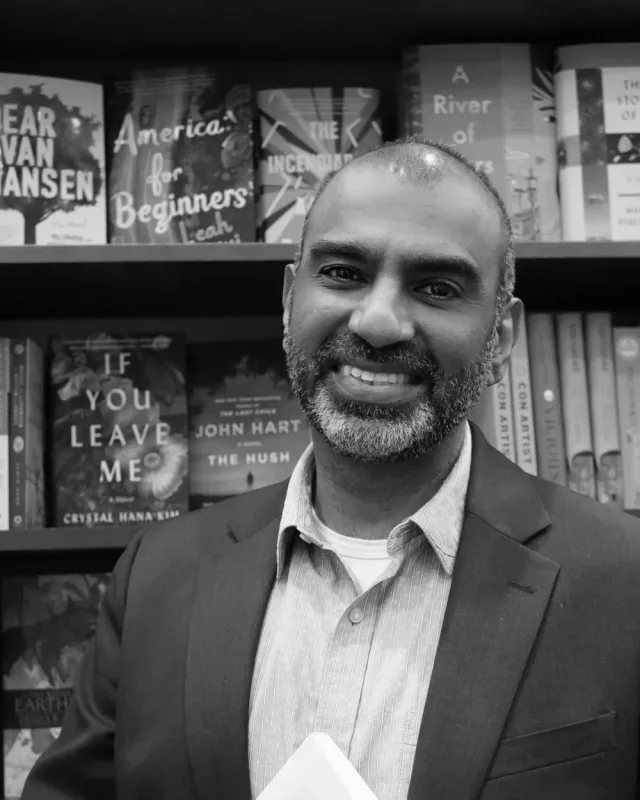
Saqib Rasool
CEO · Ontological Mentor
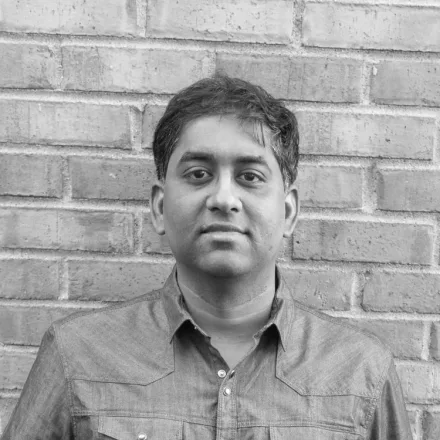
Avi Bathula
CTO · Systems Architect
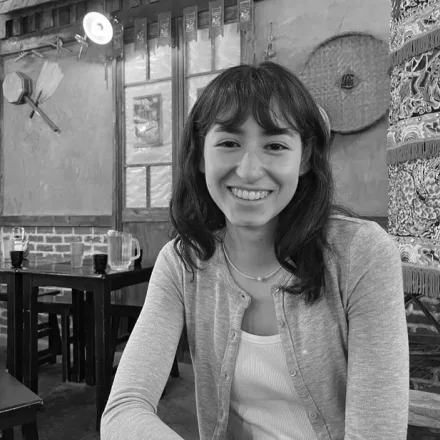
Victoria Ruelas
CPO · Narrative Designer
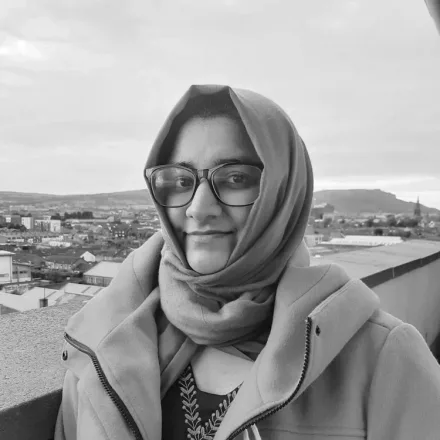
Mareya K. Ali
COO · Operational Catalyst
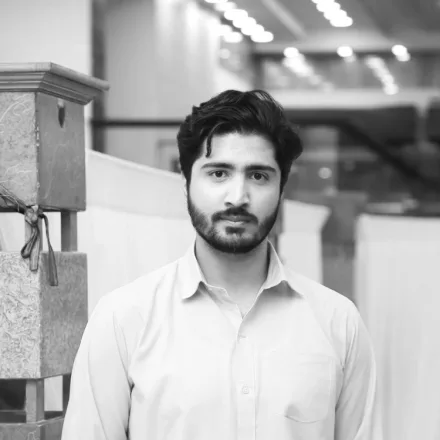
Syed Zainullah Qazi
Lead · Frontend AI Engineer

Maaz Rehman
Lead · Backend AI Engineer

Sophia Ling
Lead · Experience Designer
Where it comes from
We didn’t invent this. We carry it forward.
COROS stands on a forty-year tradition of work on language, moods, and coordination, carried by Fernando Flores, Chauncey Bell, and those who cleared the way before them. We translate that lineage into a new technological form.
Read the lineage →